The released ammonia, a nitrogen source, is reutilized for the synthesis of microbial protein, having a distinct amino acid profile compared to the original diet

Common Side Effects Many users experience mild, temporary side effects that typically resolve as the body adjusts: Injection-site reactions, including redness, swelling, or itching Headache or mild dizziness Fatigue or low energy Joint discomfort or muscle aches Nausea or mild gastrointestinal upset Less Common and Serious Side Effects Though rare, some individuals may experience more significant reactions, which require medical attention: Increased blood sugar or insulin resistance Swelling in extremities (edema) Carpal tunnel syndrome or tingling sensations in the hands and feet Potential cardiovascular effects in high-risk patients Managing Side Effects Patients can take several steps to reduce the likelihood or severity of tesamorelin side effects: Rotate injection sites to prevent tissue irritation Use proper injection technique and sterile needles for every dose Monitor blood sugar levels regularly if diabetic or at risk Report persistent or severe reactions to a healthcare provider promptly Long-Term Considerations Generally, tesamorelin is a safe drug when it is taken under supervision
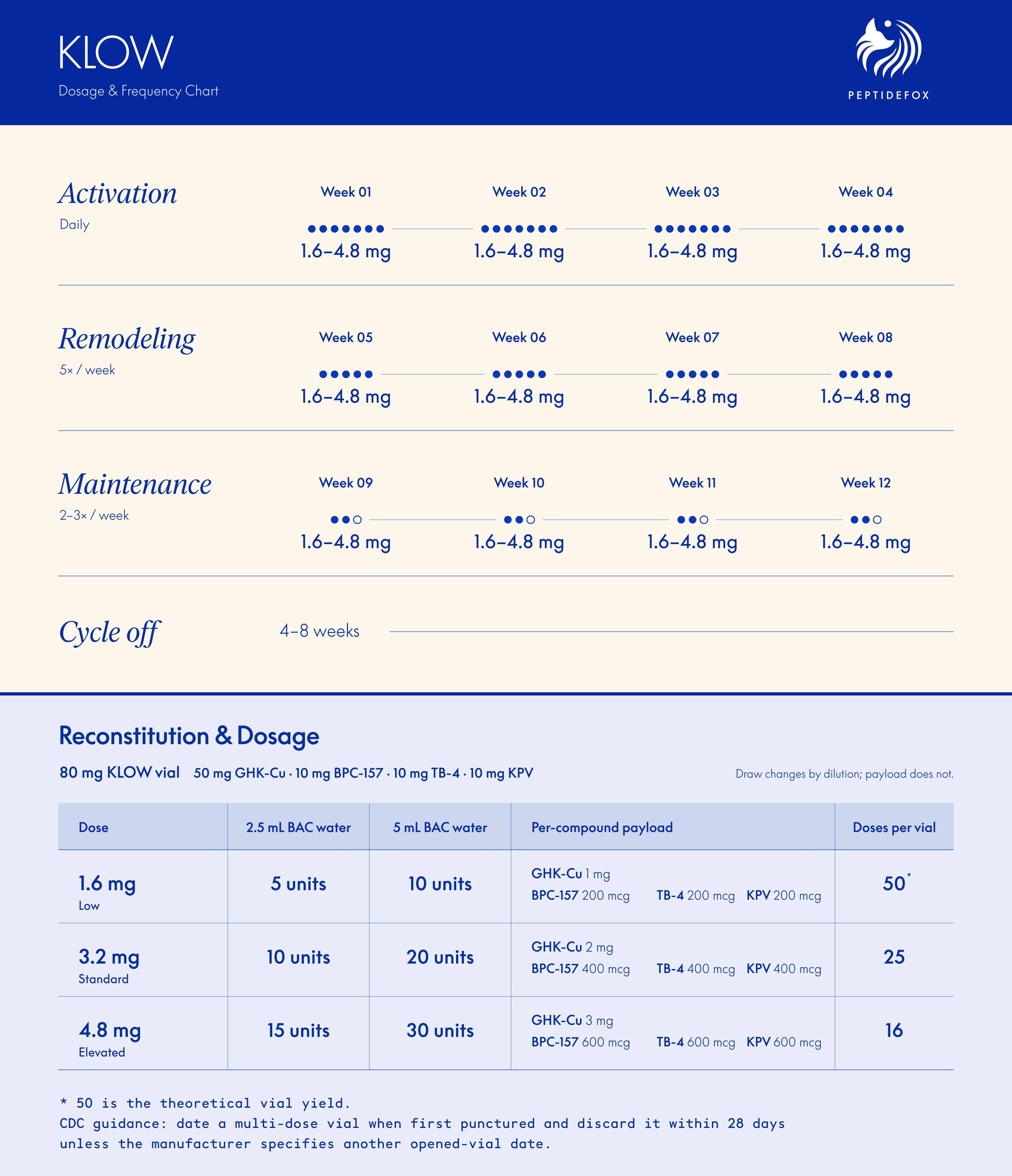
Simultaneously, BPC-157 protects the endothelium from oxidative and inflammatory injury, aiding recovery from microvascular trauma and supporting nerve regeneration
Best paired with a meal
Glutathione is a tripeptide molecule that combines three amino acids: cysteine, glycine, and glutamic acid